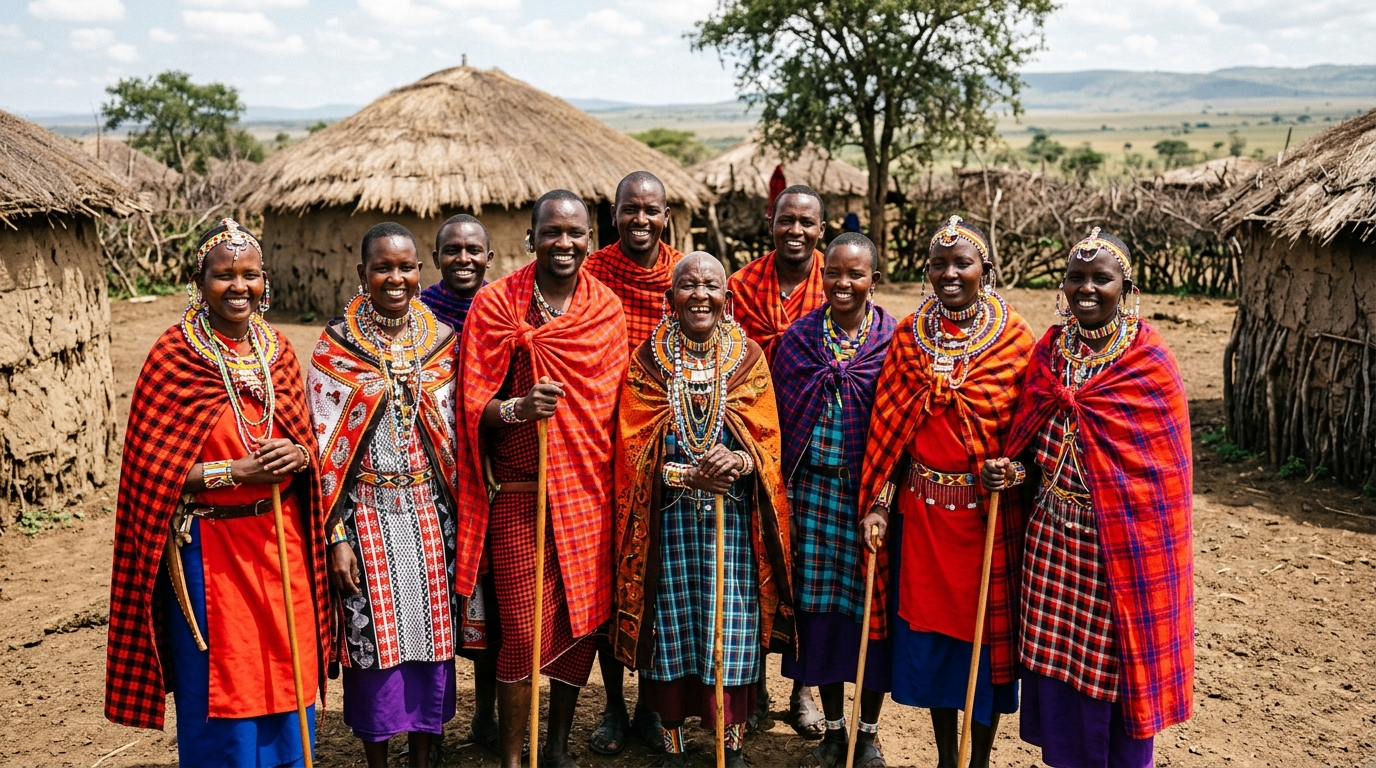
Conservation in Tsavo succeeds when local families prosper. Discover fair-trade manufacturing workshops, organic bee apiaries, and indigenous artisan collectives generating sustainable livelihoods from a protected wilderness.
Explore initiatives generating commercial alternatives to deforestation, charcoal burning, and subsistence poaching across Taita Taveta.
Established by Wildlife Works inside the Kasigau REDD+ corridor, this zero-carbon apparel factory employs over 350 rural Kenyans, tailoring sustainable organic cotton clothing for ethical global brands while providing fair living wages, healthcare, and pension schemes.
Over 800 rural women across 14 villages hand-weave vibrant decorative baskets from locally harvested sisal fibers, dyed with indigenous barks and roots. Direct sales to international interior designers ensure financial autonomy for rural mothers and pay children's secondary school fees.
Harvested directly from the innovative protective beehive fences that ring smallholder subsistence farms. The raw acacia blossom honey is bottled, certified elephant-safe, and sold at a premium to safari lodges and gourmet retailers, transforming human-wildlife conflict into a profitable cash crop.
Perched dramatically on the bluffs of LUMO Community Wildlife Sanctuary, this award-winning luxury lodge is co-owned by 3,500 local community shareholders. Every guest bed-night fee directly funds community bursaries, clean water pipelines, and clinic upgrades.
A community-run tree nursery propagating thousands of drought-tolerant indigenous seedlings, including Acacia tortilis, Baobab, and wild Tamarind. Used for reforesting degraded river corridors and sold for carbon offset projects across the Taita Hills.
An academy and guild dedicated to training local youth as KPSGA-certified safari guides, naturalists, and birding specialists, ensuring the next generation of storytellers and conservation guardians lead visiting expeditions across Tsavo.
Converting invasive bush encroacher brush and agricultural pruning waste into high-efficiency cooking fuel briquettes. This enterprise eliminates the market for illegal tree-felling charcoal inside Tsavo East and provides smoke-free cooking for 5,000 households.
Demonstration food forests using micro-drip irrigation and indigenous drought-hardy legumes (Pigeon Peas, Sorghum, Cassava) that do not attract hungry elephant herds, securing year-round nutritional independence for border villages.