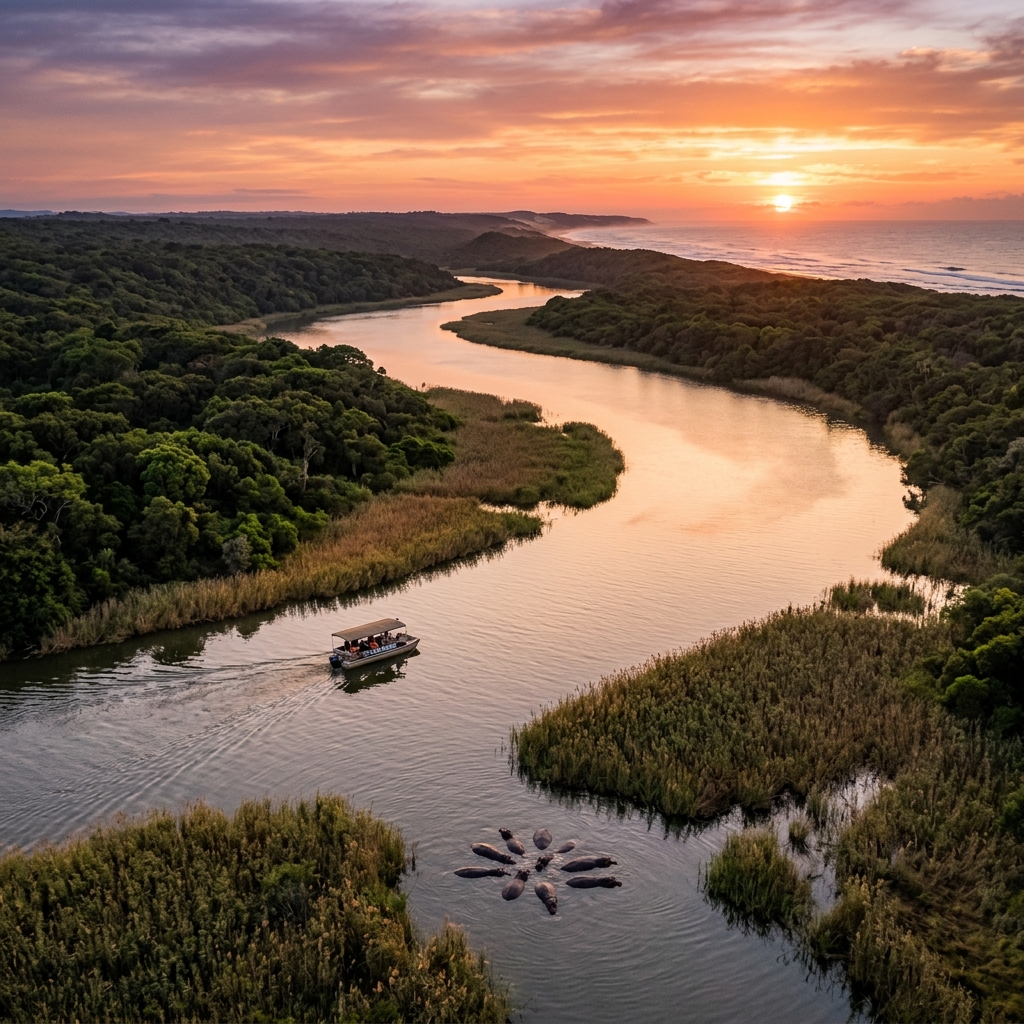
Conservation Projects in Tsavo
Frontline Conservation Alliances

Conservation in Action

From aerial supercub surveillance of Africa's last Big Tuskers to frontline veterinary field surgery, community beehive fences, and Kasigau REDD+ forest defense across 22,000 km² of wilderness.
22,000 km²
Total Protected Wilderness
10 Super Tuskers
Protected Under 24/7 Aerial Eye
500,000 Acres
Kasigau REDD+ Forest Corridor
5 Mobile Vet Units
Rapid De-Snaring & Care
85km+
Beehive Deterrent Fences
Our Alliance Architecture

Unifying Kenya's Largest Wilderness

Tsavo is an immense landscape comprising two national parks, dozens of community ranches, and vast dispersal areas. The Conservancy functions as an enabling coordination layer uniting KWS, frontline NGOs, and local landholders.

🛩️

Aerial & Ground Intel

Coordinating aerial reconnaissance flights with ground rapid-response patrols across remote lava ridges and unpatrolled boundary tracts.

🤝

Community Stewardship

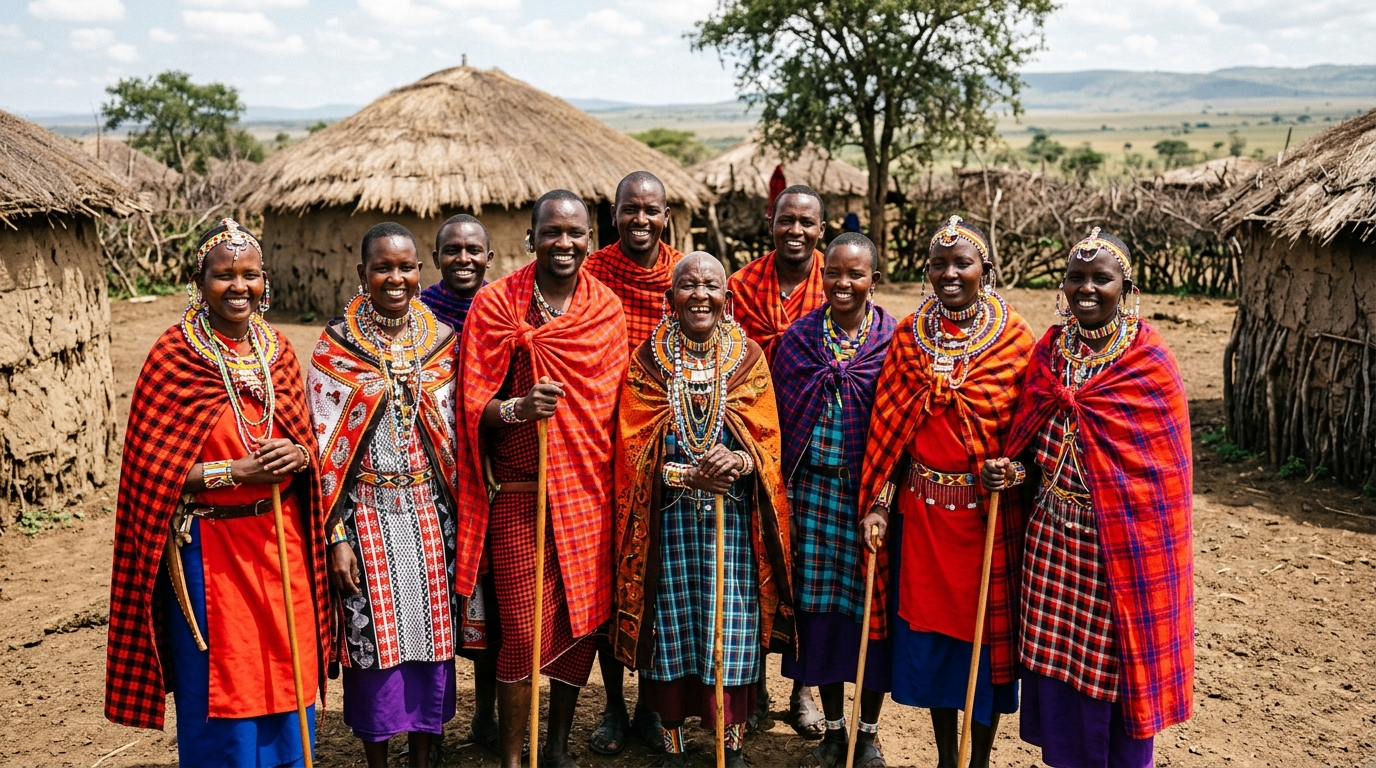
Securing the critical wildlife corridor ranches between Tsavo East, Tsavo West, and Mkomazi through direct carbon revenue and eco-tourism dividends.

💧

Drought Resilience

Installing solar-powered groundwater boreholes to supply clean drinking pans during catastrophic La Niña droughts, halting mass animal starvation.

Landscape Deployment

Where Operations Deploy

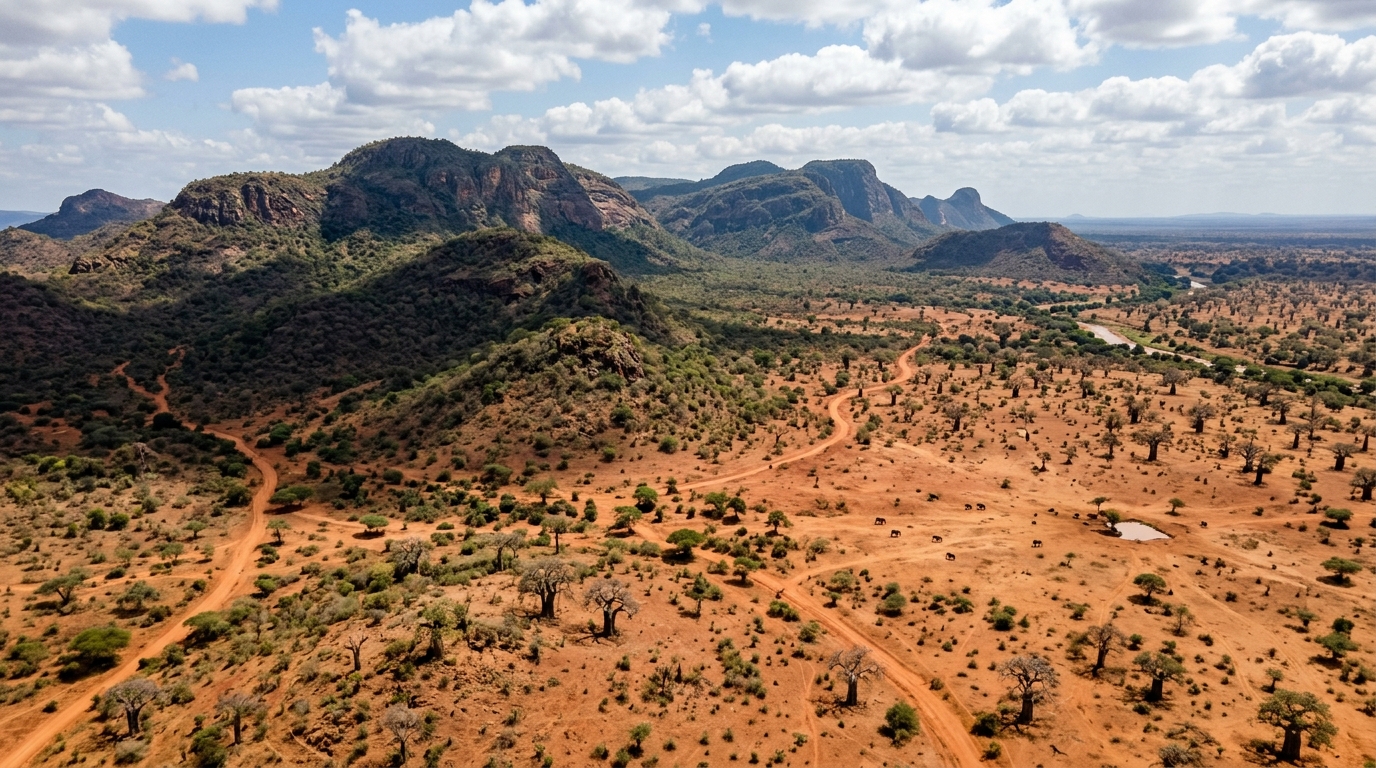
Hover over active operational pins across Tsavo East, Tsavo West, the Kasigau REDD+ Corridor, Mzima Springs, and community conservancies.

TSAVO EAST RED SAVANNA TSAVO WEST VOLCANIC KASIGAU CORRIDOR REDD+ GALANA RIVER • LUGARD FALLS
Tusker & Rhino Protection
Emergency Veterinary Units
Aerial Anti-Poaching
Community REDD+ & Conservancies
Frontline Operations

Active Conservation Initiatives

Explore how statutory authorities, specialist NGOs, and community rangers collaborate to protect wildlife and foster coexistence.

Tsavo Trust & Kenya Wildlife Service
365-Day Daily Recon
Big Tusker Project

Big Tusker Aerial & Ground Defense

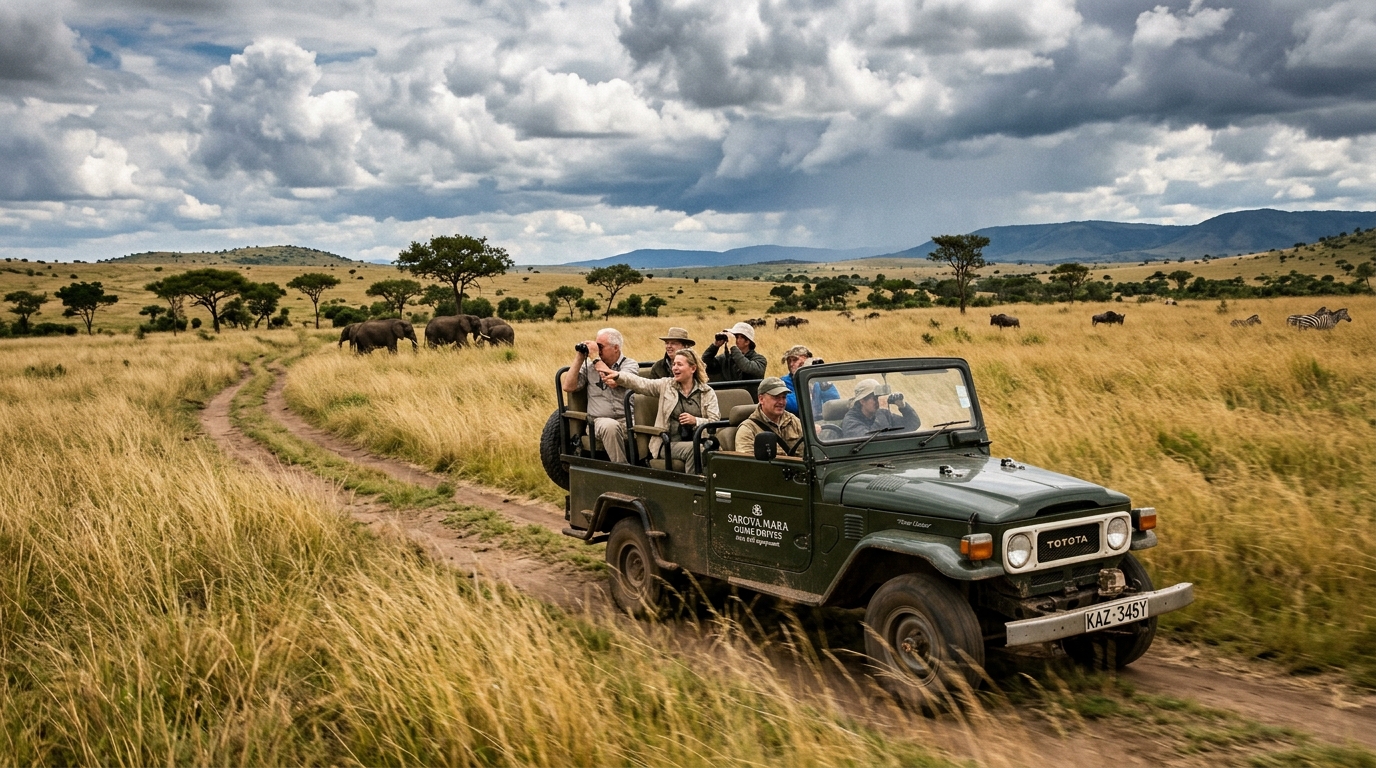
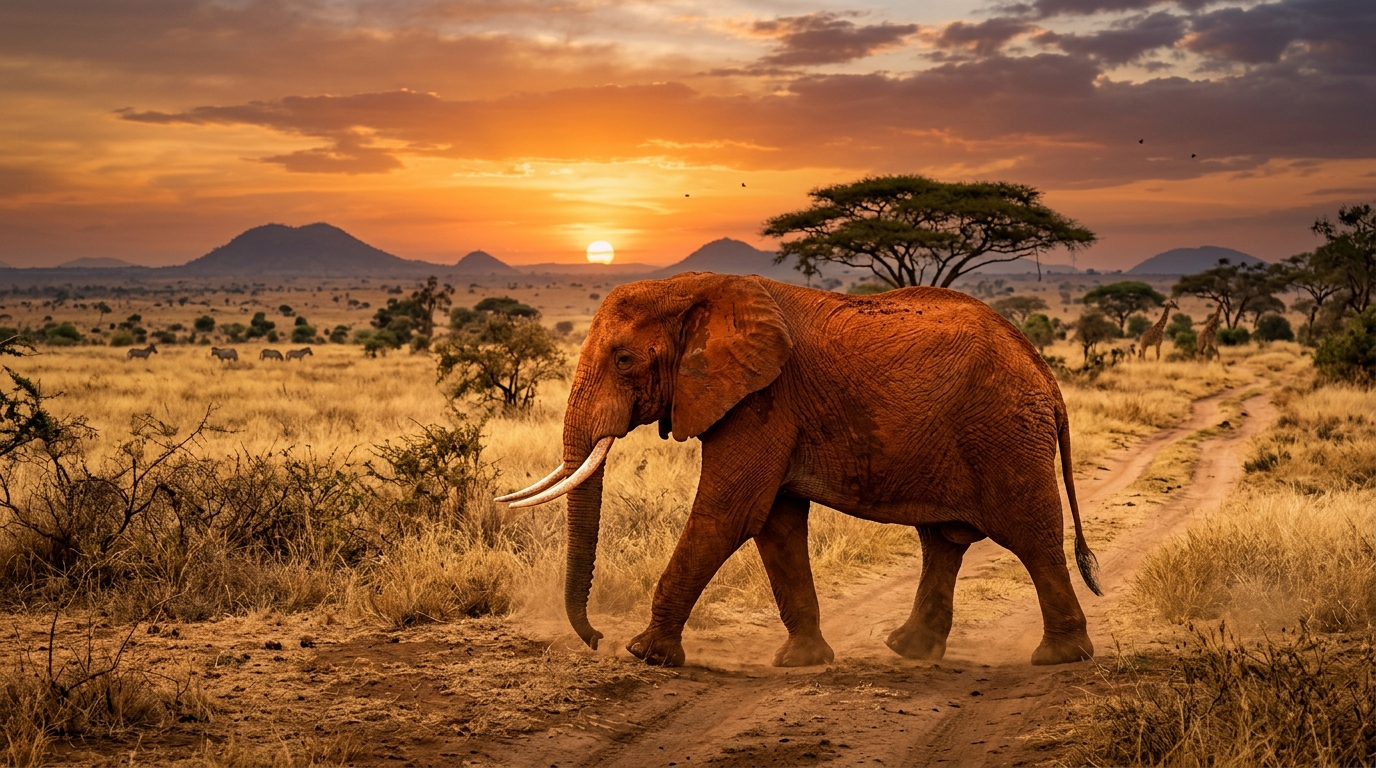
Tsavo is home to over half of the world's remaining "Super Tuskers" — bull elephants whose tusks exceed 100 lbs (45 kg) per side. Dedicated Supercub planes and ground tracker teams monitor these magnificent giants daily to prevent poaching.

Supercub Aerial Patrol Tusker ID Database Ground Trackers Anti-Poaching
Tracked: 10 Super Tuskers • 25 Emerging Zone: Tsavo East & West Wilderness
Support Tusker Defense
Sheldrick Wildlife Trust & KWS
24/7 Rapid Response
Mobile Veterinary Units

Mobile Veterinary Units & Emergency De-snaring

Fully equipped veterinary field teams traverse the wilderness 24/7 in custom 4x4 vehicles, treating wild elephants, lions, giraffes, and rhinos injured by poison arrows, wire snares, and bullet wounds, saving thousands of lives.

Field Surgery De-snaring Teams Helicopter Darting Antidote Stocks
Recovery: 92% Post-Op Survival Fleet: 5 Specialized 4x4 Units
Support Vet Teams
Wildlife Works & Community Ranches
Verified VCS / CCB
Kasigau Corridor REDD+ Project

Kasigau Corridor REDD+ Community Forest Protection

The world's first verified REDD+ project protects 500,000 acres of vital wildlife corridor between Tsavo East and West. Carbon credit revenues fund schools, water boreholes, community ranger patrols, and rural eco-jobs.

Carbon Finance Community Rangers Corridor Shield Reforestation
Avoided Carbon: 1.5M Tonnes / Year Beneficiaries: 120,000 Local Residents
Explore Kasigau Project
Save the Elephants (Dr. Lucy King)
Global Benchmark
Elephants and Bees Fences

Elephants & Bees Coexistence Project

Elephants are naturally terrified of African honeybees. By linking beehives with wire around smallholder farms, when elephants touch the wire the bees swarm, humanely deterring crop-raiding and producing valuable 'Elephant-Friendly Honey'.

Beehive Fencing Organic Honey Smallholder Protection Non-Lethal Deterrent
Success: 86% Crop Defense Efficacy Honey: Fair-Trade Certified Export
Support Beehive Fences
KWS & Sheldrick Wildlife Trust
7 Aircraft Patrol
Tsavo Aerial Anti-Poaching Wing

Tsavo Aerial Anti-Poaching Wing & Water Pan Monitoring

Operating a fleet of Piper Supercubs and helicopters, pilot rangers maintain vigilance over inaccessible lava fields, poacher hideouts, and drying waterholes, relaying real-time coordinates to ground ranger arrest units.

Supercub Fleet Thermal FLIR GPS Fire Mapping Poacher Apprehension
Flight Hours: 2,800+ Hours / Year Deployment: Live Radio Relay to Ground Units
Support Aerial Fleet
LUMO Community Wildlife Sanctuary
Community Guarded
LUMO Community Rangers

LUMO Community Ranger Corps & Corridor Defense

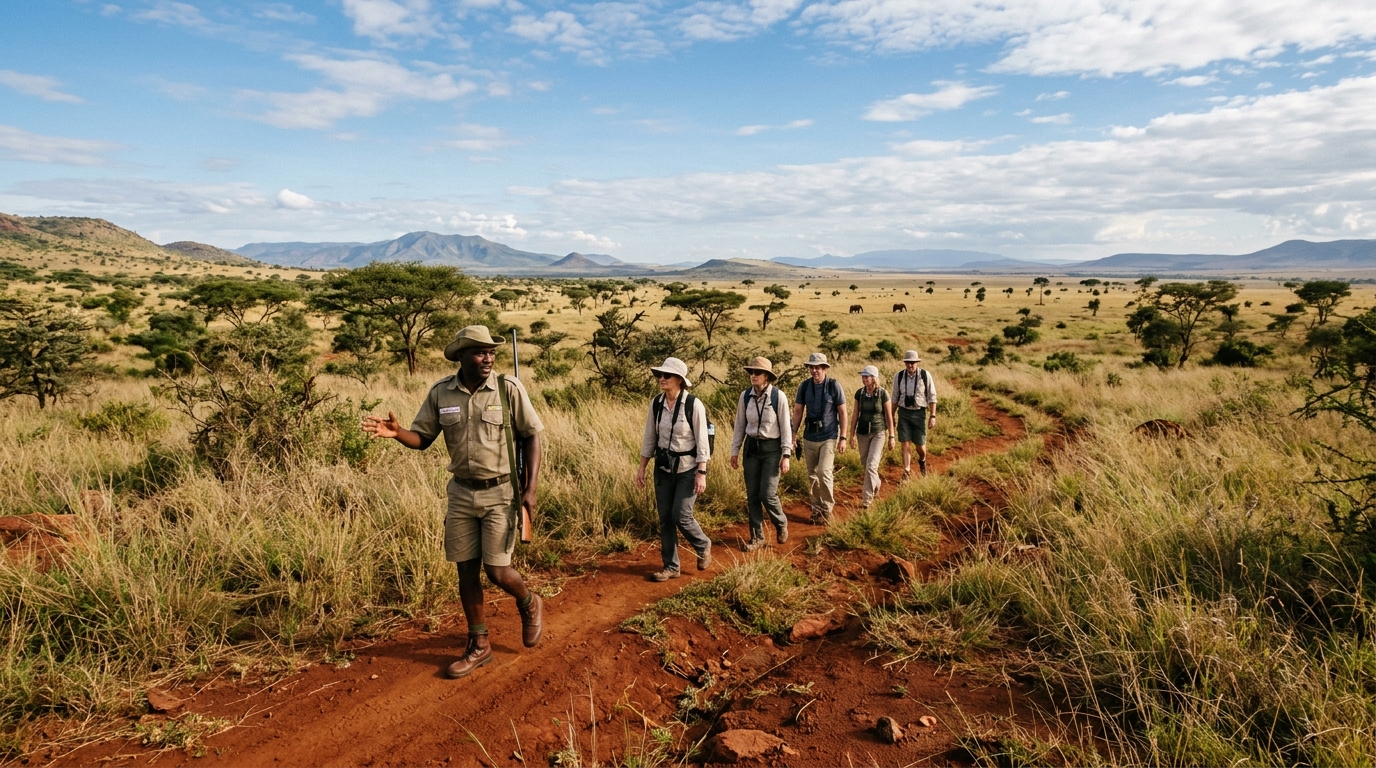
Over 40 trained community wildlife scouts drawn from local Taita landowners protect the 125,000-acre LUMO sanctuary, intercepting charcoal burners, tracking game movements, and guiding guests at Lion's Bluff.

Community Scouts Taita Landowners Anti-Charcoal Lion's Bluff Concession
Landowners: 3,500 Shareholders Area: 125,000 Acres Under Shield
Support Community Scouts
Tsavo Trust Drought Relief Wing
Critical Solar Boreholes
Solar Waterhole Relief

Water for Wildlife: Solar Boreholes & Mud Wallows

During protracted dry seasons when seasonal pans evaporate, elephants and herbivores face severe dehydration. Tsavo Trust operates solar-powered submersible pumps that replenish natural pans and mud wallows across the arid interior.

Solar Deep Boreholes Mud Wallow Maintenance Drought Emergency Aquifer Protection
Pumps: 14 Solar Installations Wildlife Served: Hundreds of Thousands
Sponsor a Solar Borehole
KWS Intensive Protection Zone
Fortified Sanctuary
Ngulia Rhino Sanctuary

Ngulia Intensive Black Rhino Sanctuary

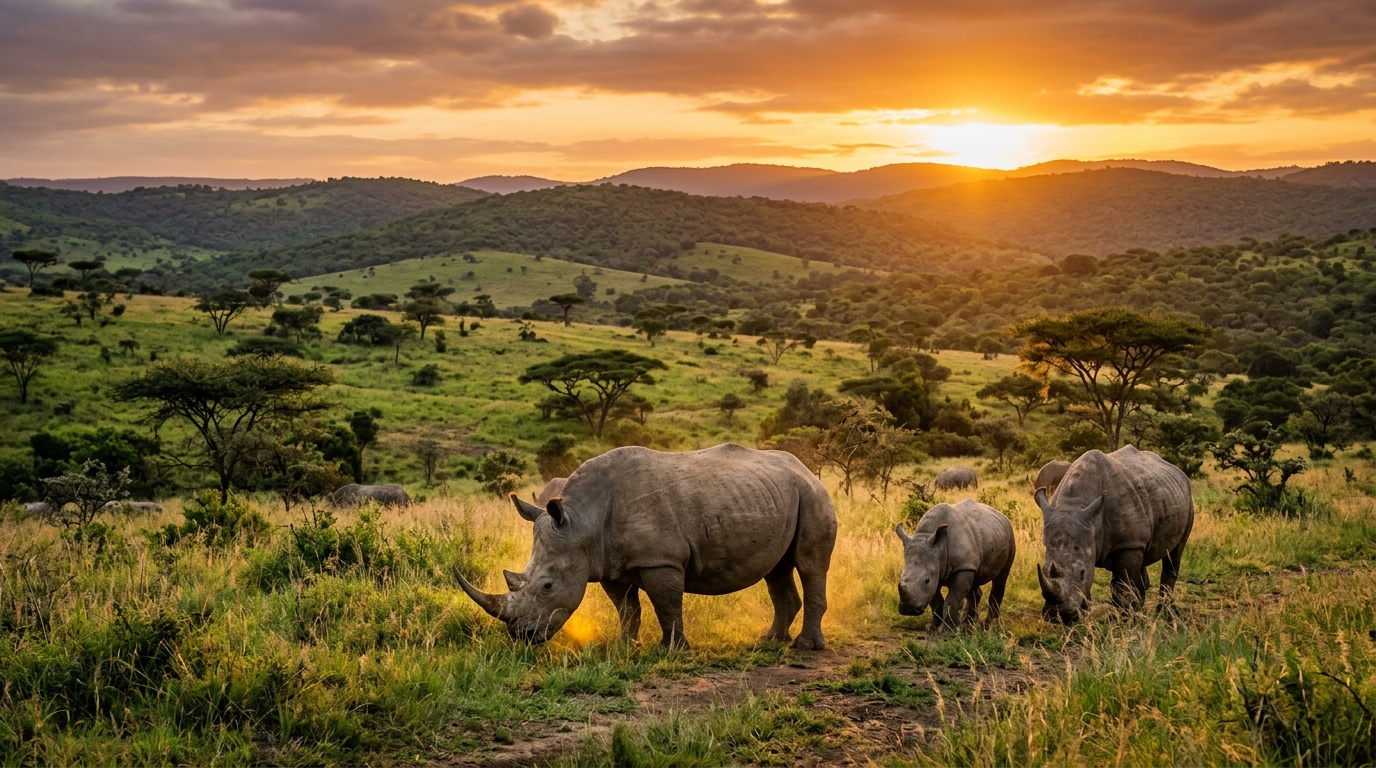
Located in the rugged foothills of Tsavo West, Ngulia is a fortified 90 km² sanctuary surrounded by electrified solar fencing. It safeguards a vital founder population of critically endangered Eastern Black Rhinos under 24/7 dedicated ranger guard.

Solar Electric Fencing Eastern Black Rhino Night Waterhole Cameras Dedicated Ranger Force
Sanctuary Area: 90 km² Fenced IPZ Breeding Success: Key Kenyan Genetic Reservoir
Support Ngulia Sanctuary
Join the Alliance

Are You Operating in Tsavo?

If your registered organization, academic research institute, or community group is active within the Tsavo Ecosystem, reach out to connect with our international alliance.

Propose an Initiative